Health & Hygiene
Promoting healthier lives in rural Tanzania through access to medical care, hygiene education, and sustainable nutrition.
Our Impact and Projects
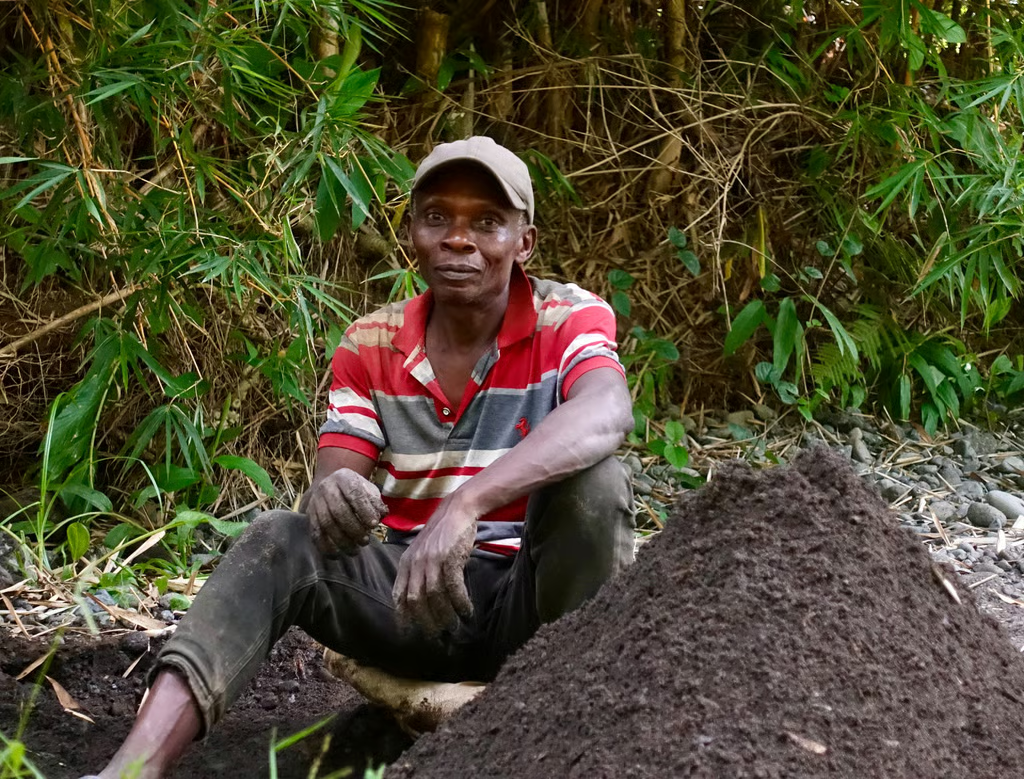
Elderly Care
Providing healthcare, companionship, and dignity for elderly, ensuring their later years are filled with care and connection.
Learn More →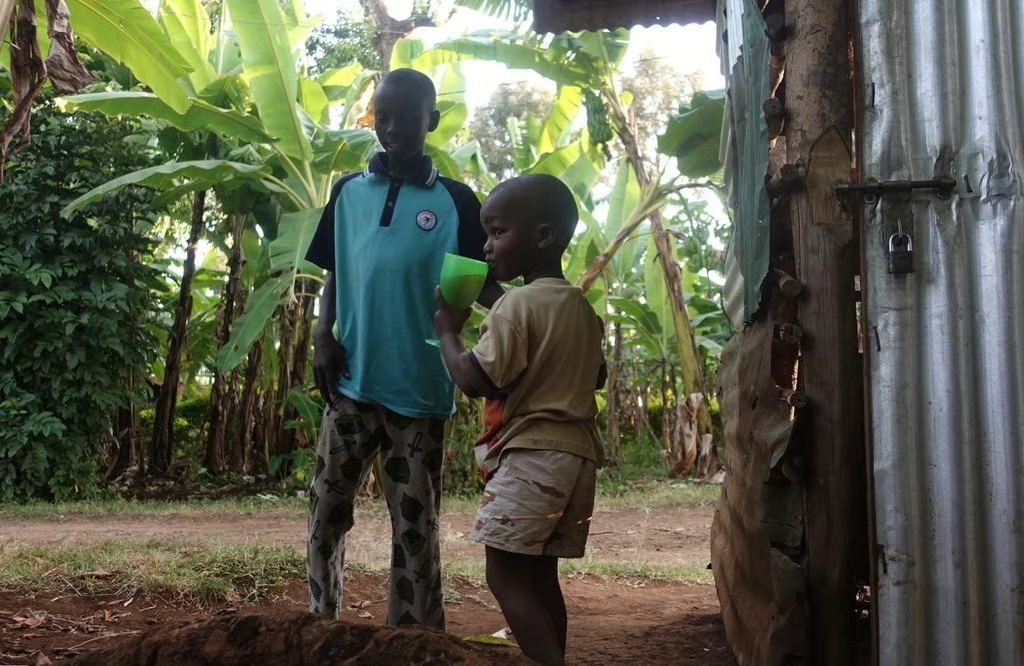
Health & Hygiene Education
Empowering children in Tanzania with essential hygiene education and building habits for healthier lives.
Learn More →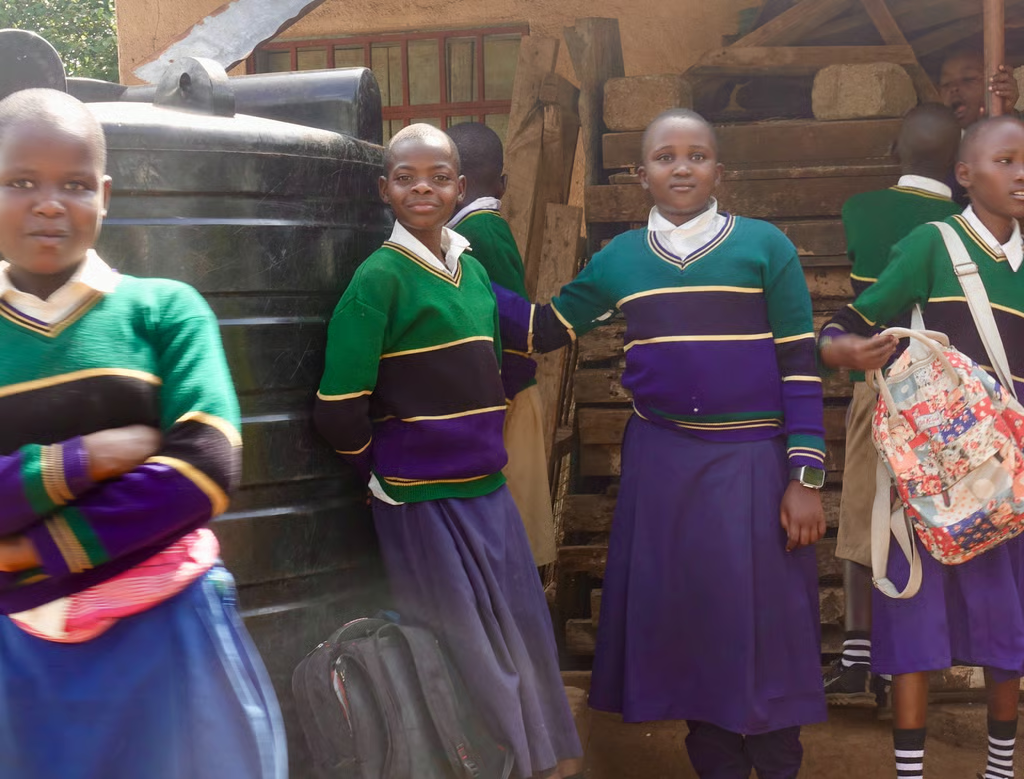
Female Hygiene
Supporting girls in Tanzania with education to break menstrual taboos, build confidence, and stay in school.
Learn More →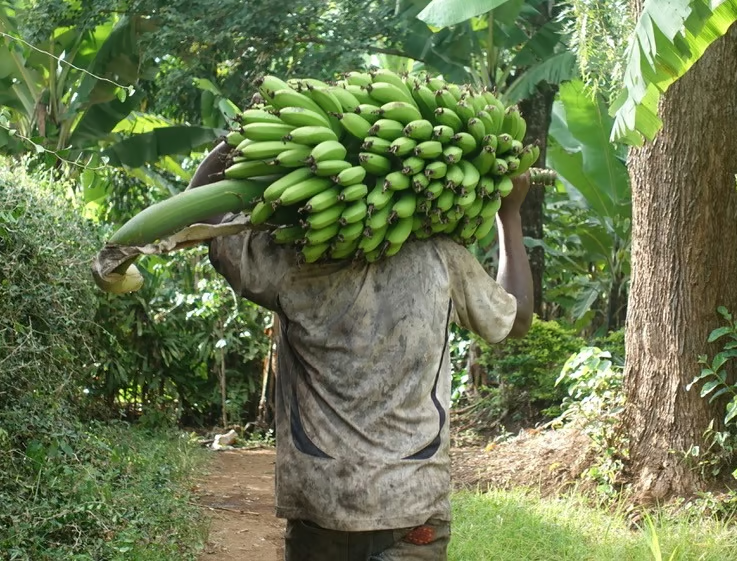
Nutrition
Helping communities in rural Tanzania create balanced, nutritious meals using local ingredients for healthier lives.
Learn More →Elderly Care
Supporting the Health and Well-Being of Elderly People
“It's not just about health — it's about the need to feel seen, supported, and valued.”
— Omega, Founder
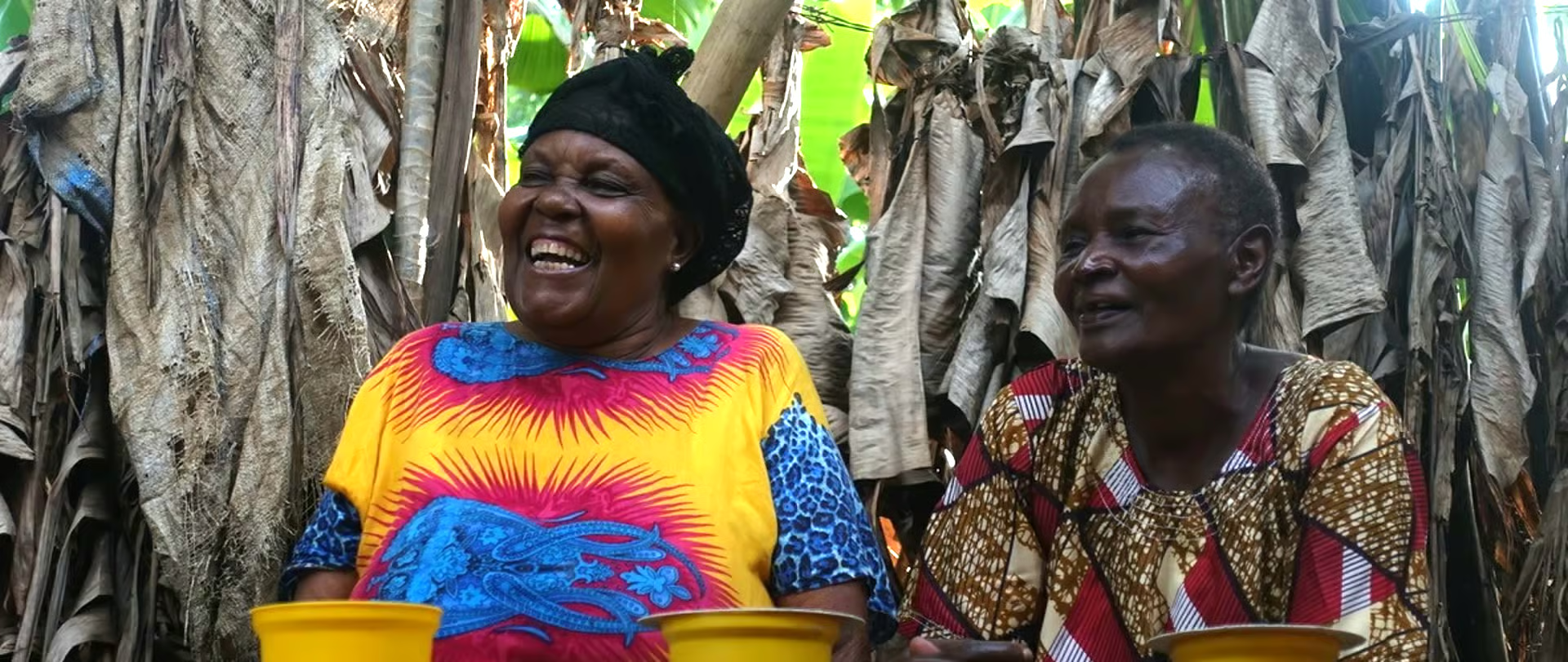
In rural Tanzania, aging brings challenges beyond physical pain, including limited access to healthcare and growing isolation. Our Preventive Care Project offers basic medical care and fosters connections, helping seniors stay healthy and feel a sense of belonging in their communities.
Through regular visits, we assess well-being, detect potential illnesses early, and offer companionship — helping seniors feel connected, supported, and less isolated.
While the government offers free healthcare for the elderly, costs like medications and treatments are not fully covered, especially for seniors in farming communities with limited mobility and no health insurance. Our initiative bridges this gap.
Health & Hygiene Education
Building Healthy Habits in Schools
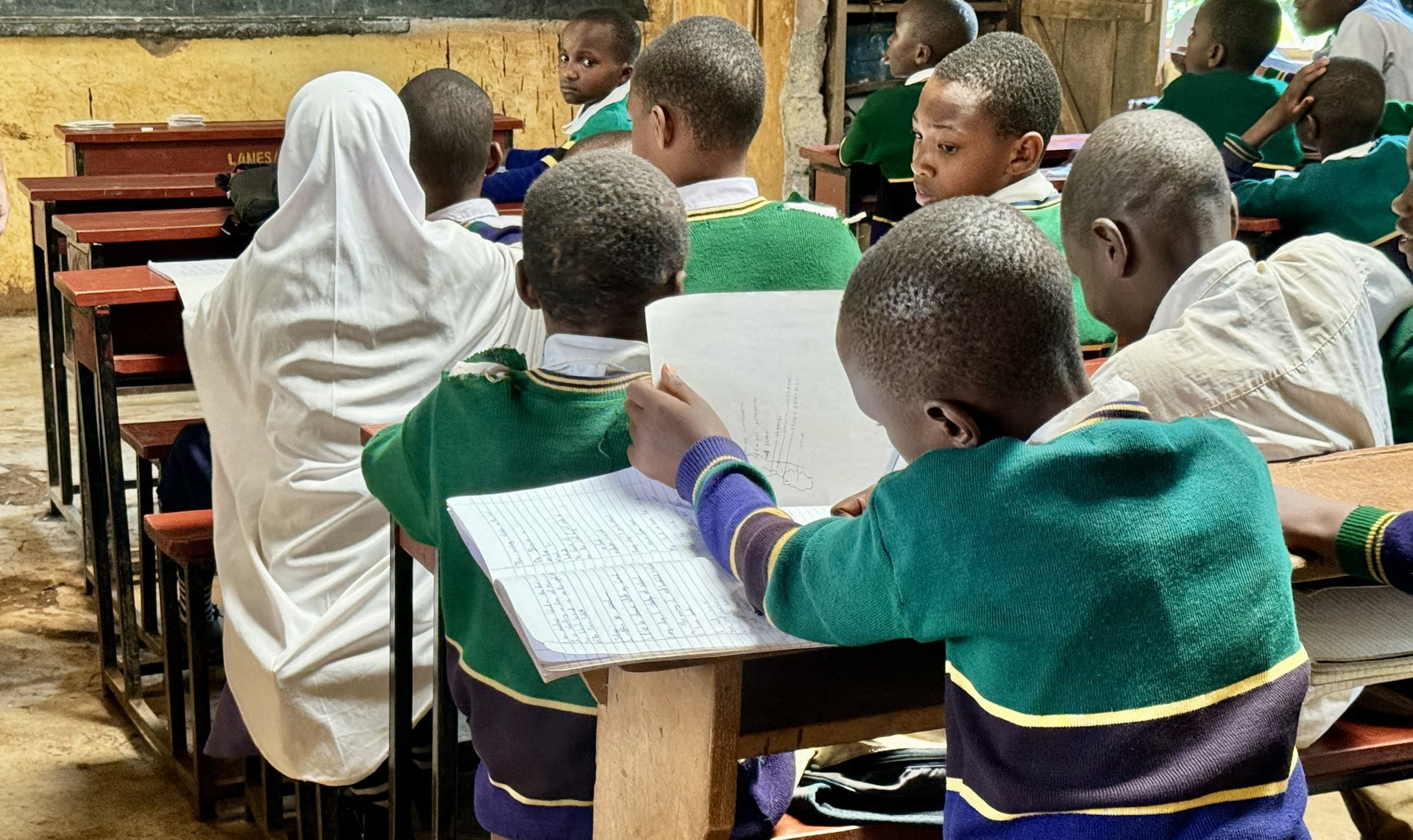
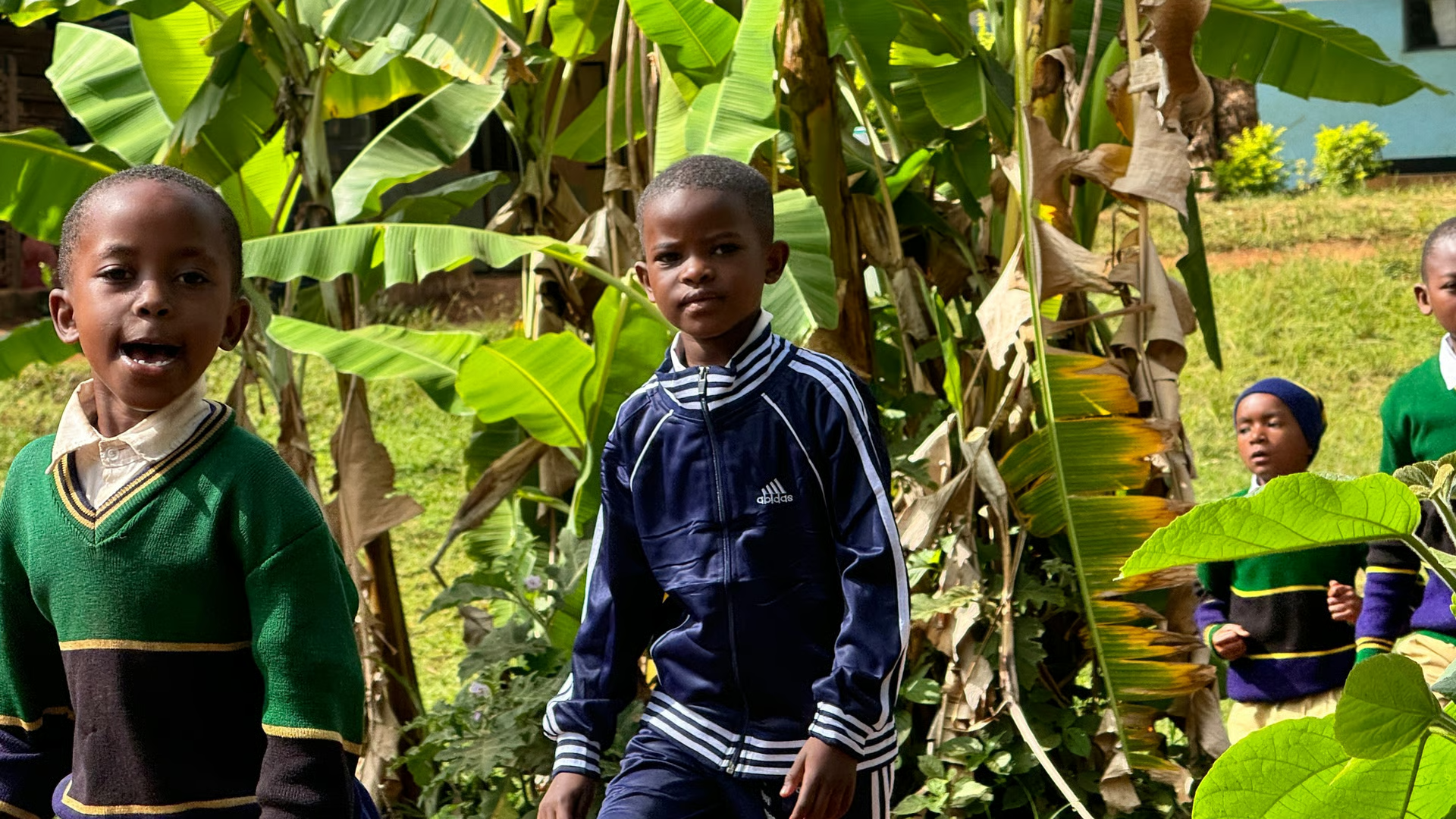
From the importance of handwashing to understanding personal hygiene, we're empowering children to take charge of their health in ways that ripple through their families and communities. It's about the power of small, consistent actions — one habit, one child, one brighter future at a time.
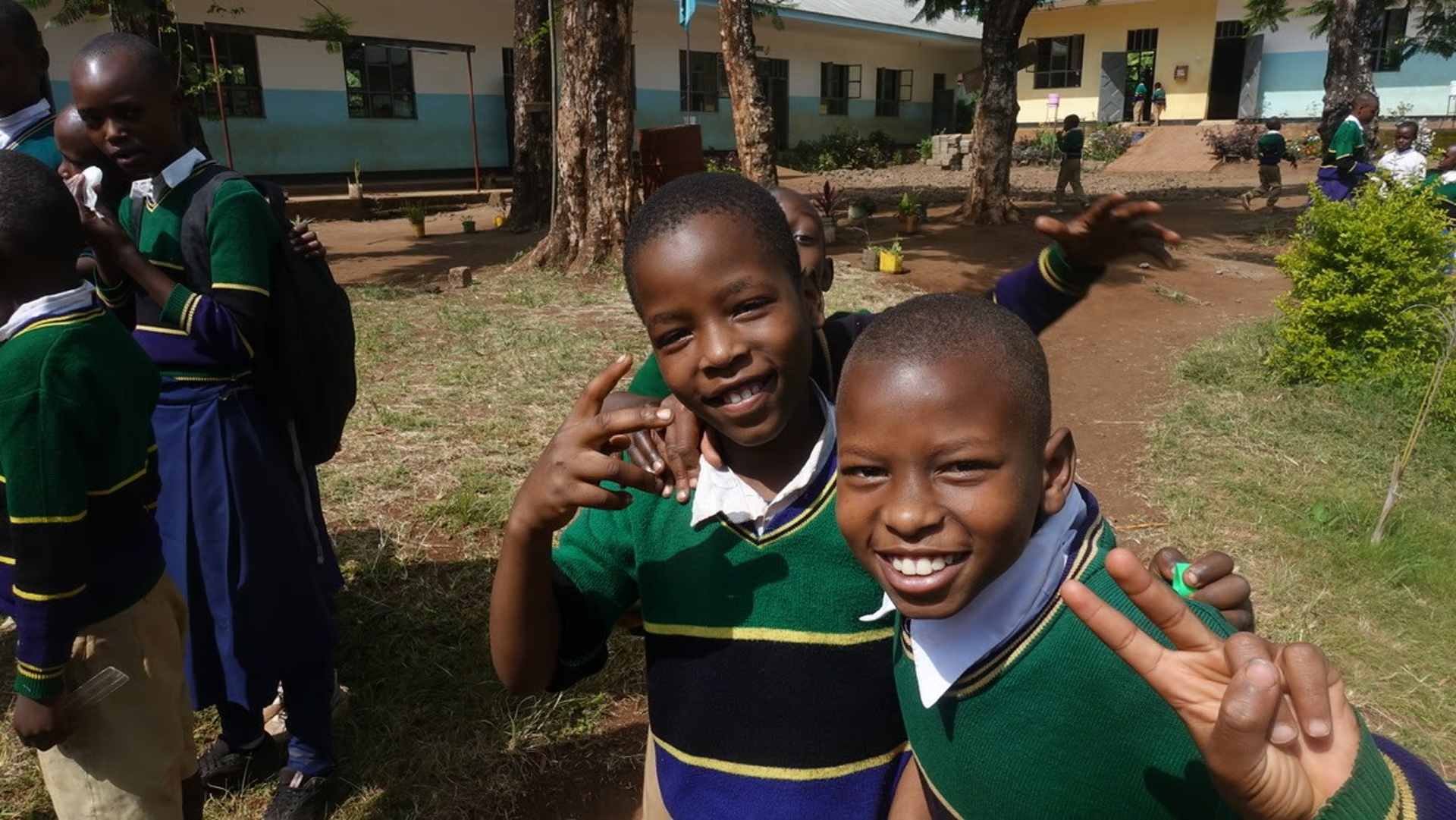
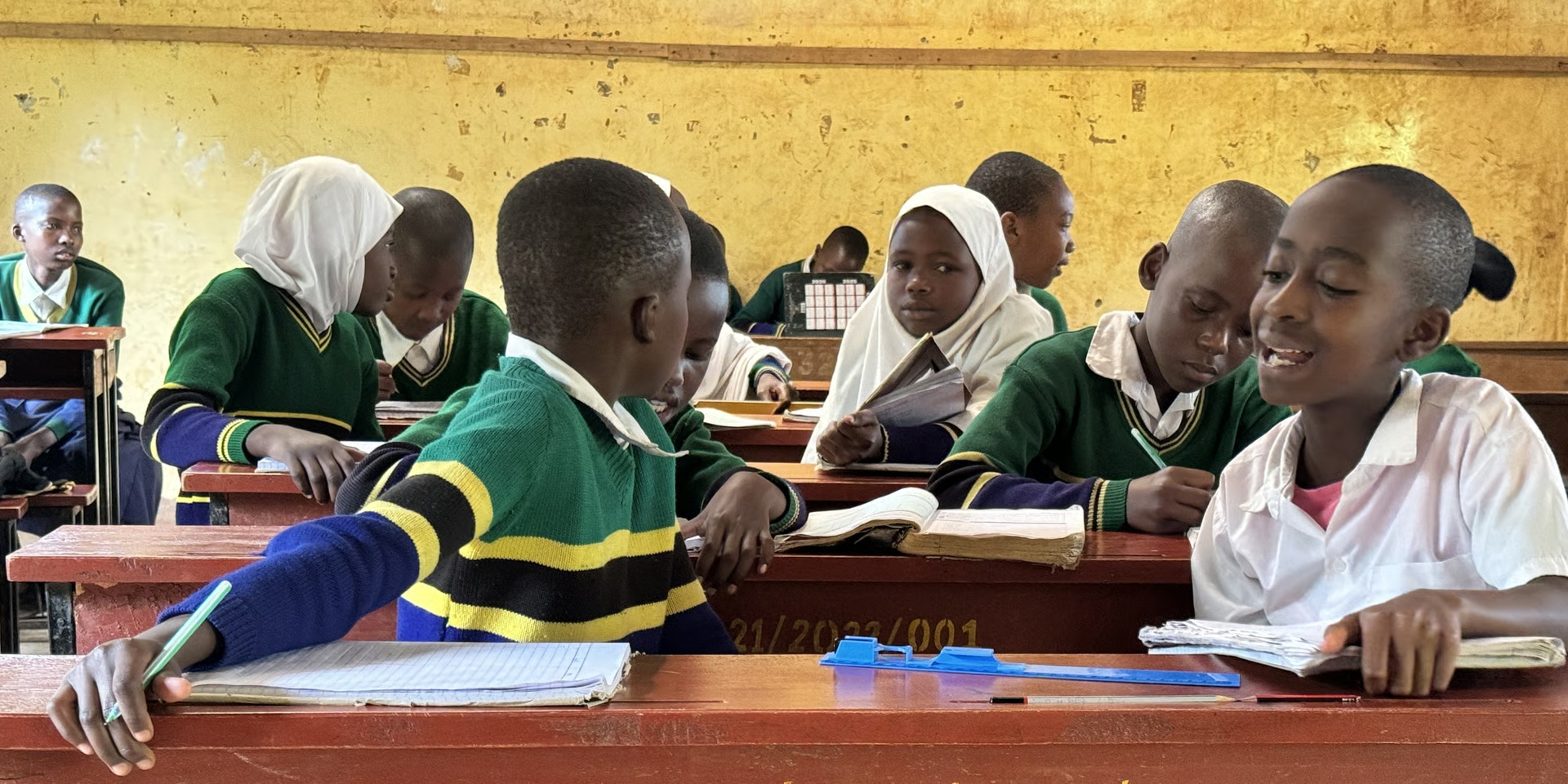
We work with local school teachers to teach essential hygiene practices like brushing teeth, washing faces, and cleaning hands after using the toilet. Interactive lessons and engaging activities make learning memorable and meaningful.
Teaching kids these small but important habits isn't just about keeping them healthy — it's about giving them confidence and the tools to take care of themselves. When brushing teeth or washing hands becomes part of their daily routine, it's a step toward a healthier future, one habit at a time.
To ensure continuity, we're seeking funding to hire dedicated hygiene educators who can deliver regular sessions and reach more children consistently.
Female Hygiene
Breaking Taboos and Building Confidence
For many young girls, adolescence is a confusing time with limited information, especially about menstruation, which is often surrounded by silence and stigma. This lack of guidance can lead to shame, confusion, and missed school days.
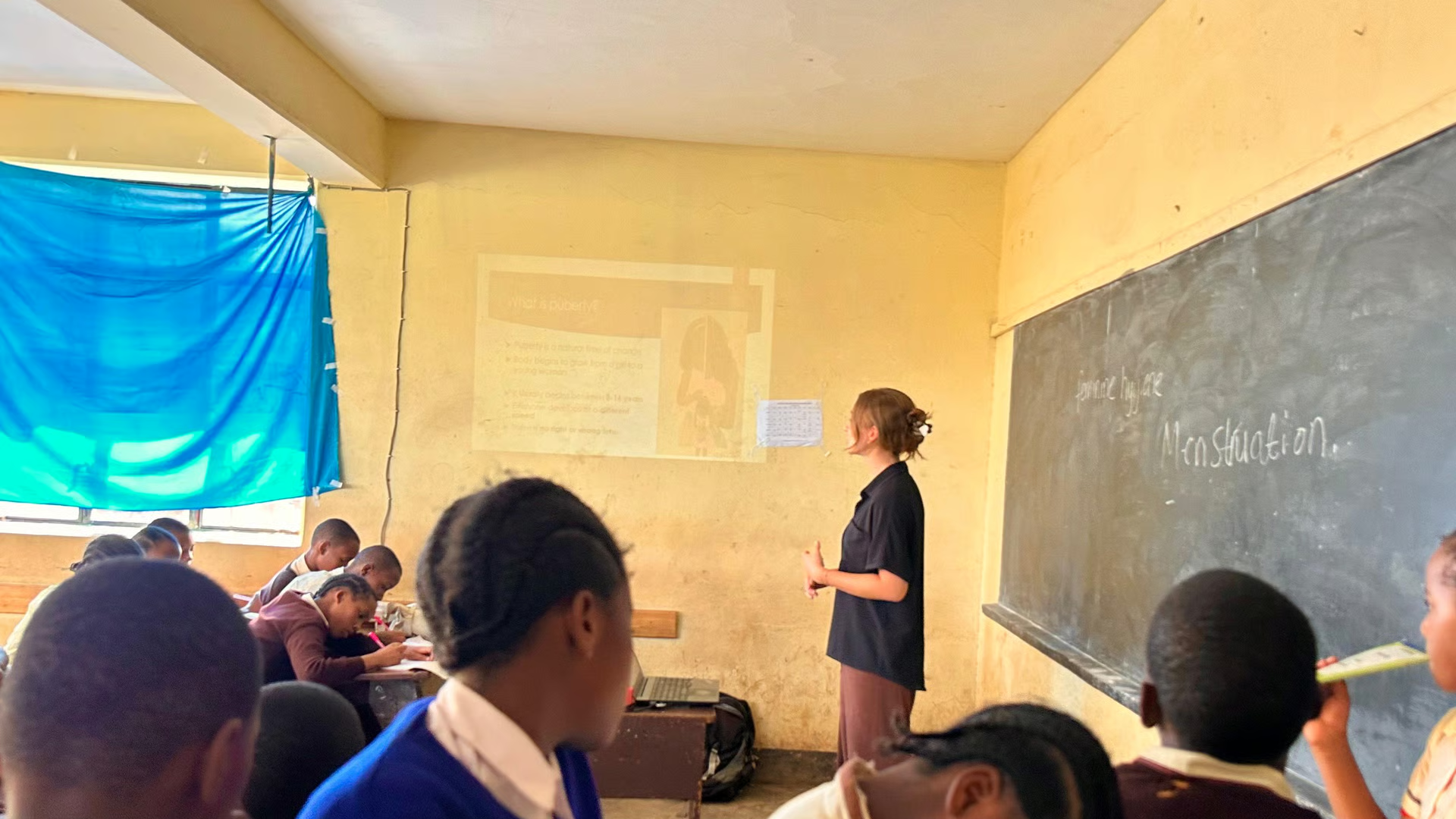
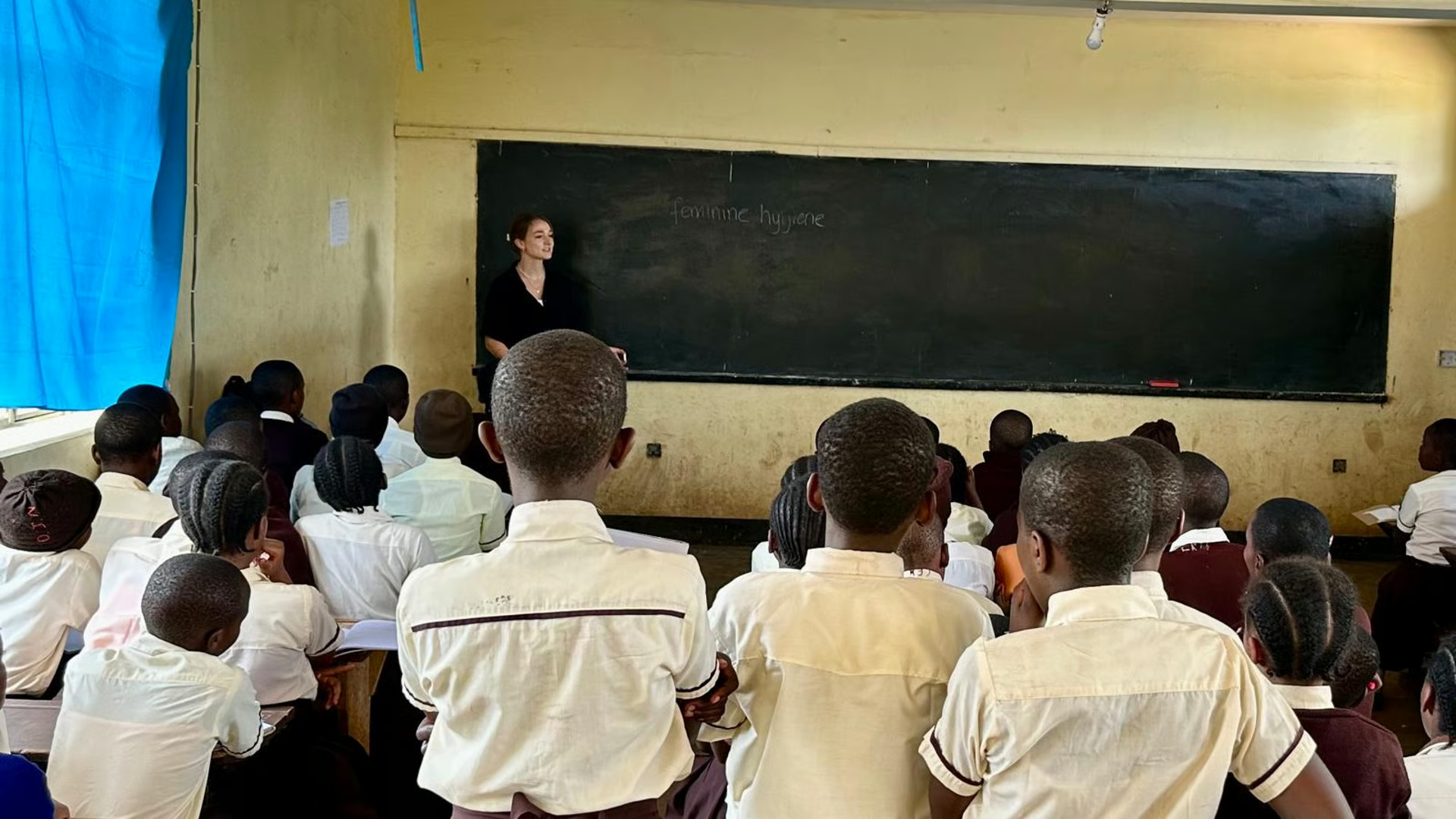
Through our Female Hygiene Education Project, we provide education, resources, and a safe space for girls to learn about their bodies. Together with local teachers and volunteers, we address bodily changes and break the taboos around menstruation, empowering girls with knowledge and confidence.
We also distribute reusable menstrual pads, ensuring girls are educated on their proper usage and cleaning, with respect for community values.
We're securing funding for dedicated educators who teach female hygiene with cultural sensitivity — normalizing menstruation as a natural, healthy part of life, free from shame.
Nutrition
Balanced Meals from Local Ingredients
Good nutrition is crucial for a healthy life, but in rural Tanzania, many face the challenge not of lacking food, but of not knowing how to turn available ingredients into balanced, nourishing meals. The ingredients are often there, but the knowledge of how to use them is missing.
Our project teaches communities of all ages simple ways to combine local ingredients into healthy meals. By promoting a balanced diet with locally available foods, we help families improve health outcomes and live better, fostering long-term well-being.
In schools, meals often consist of ugali and beans — providing fullness but lacking balance. We work with schools to diversify their meal plans, ensuring children receive the nutrition they need.
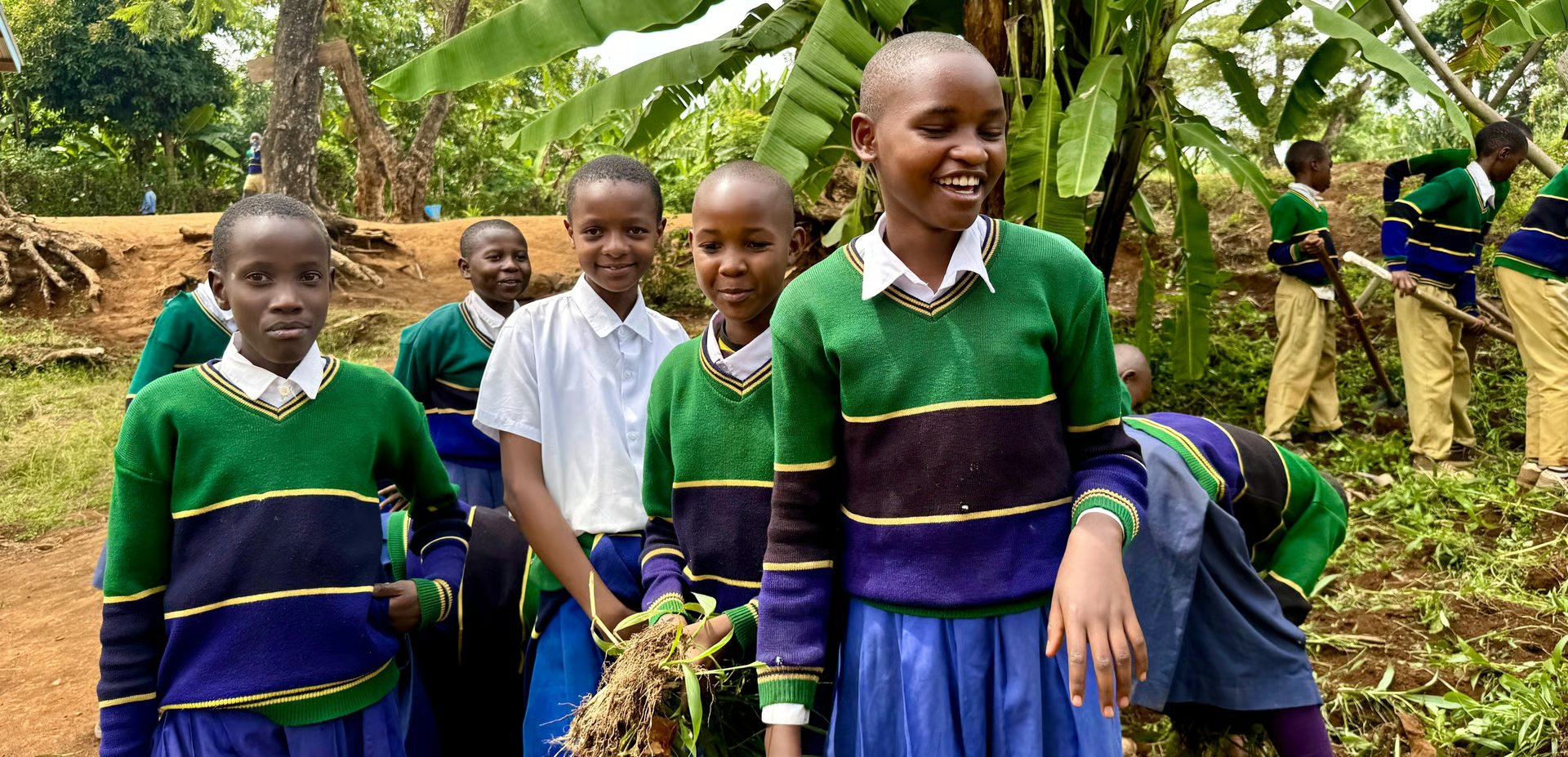
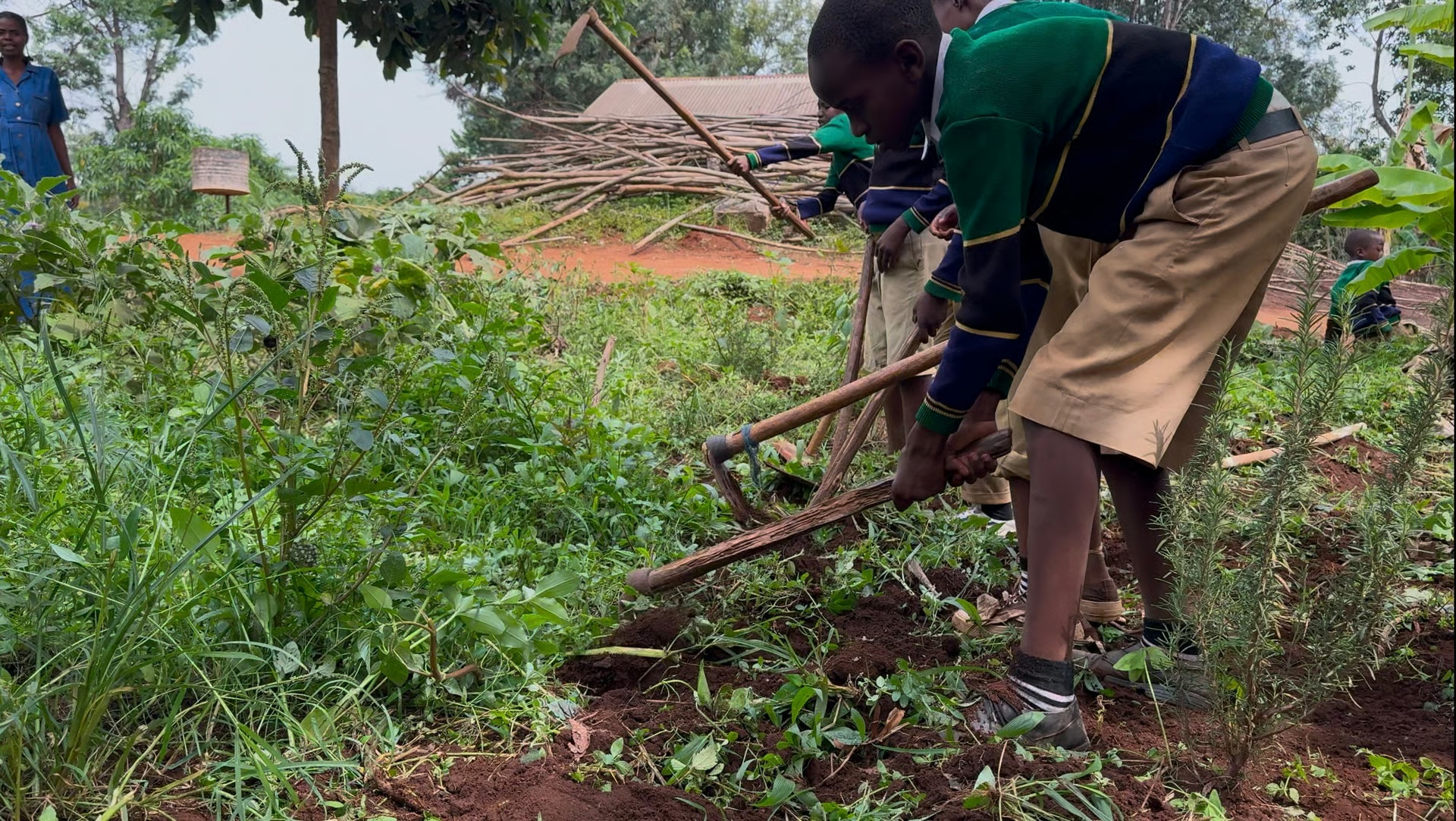
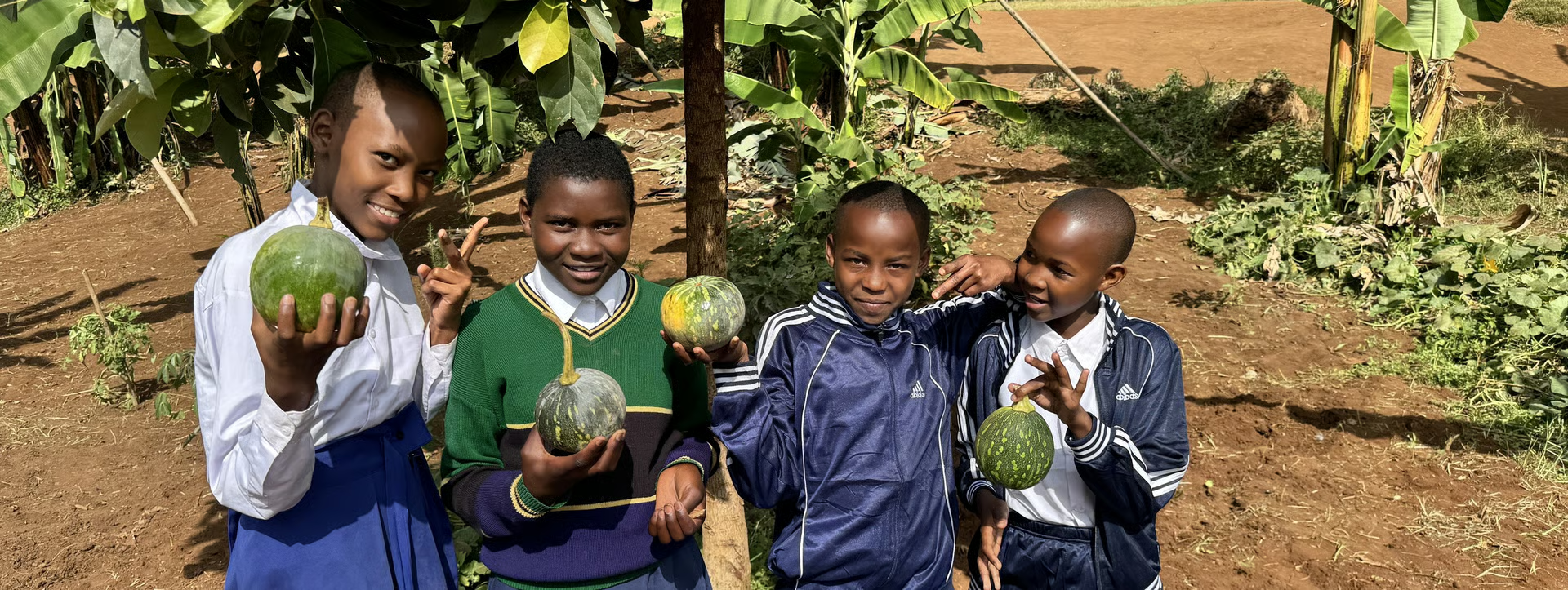
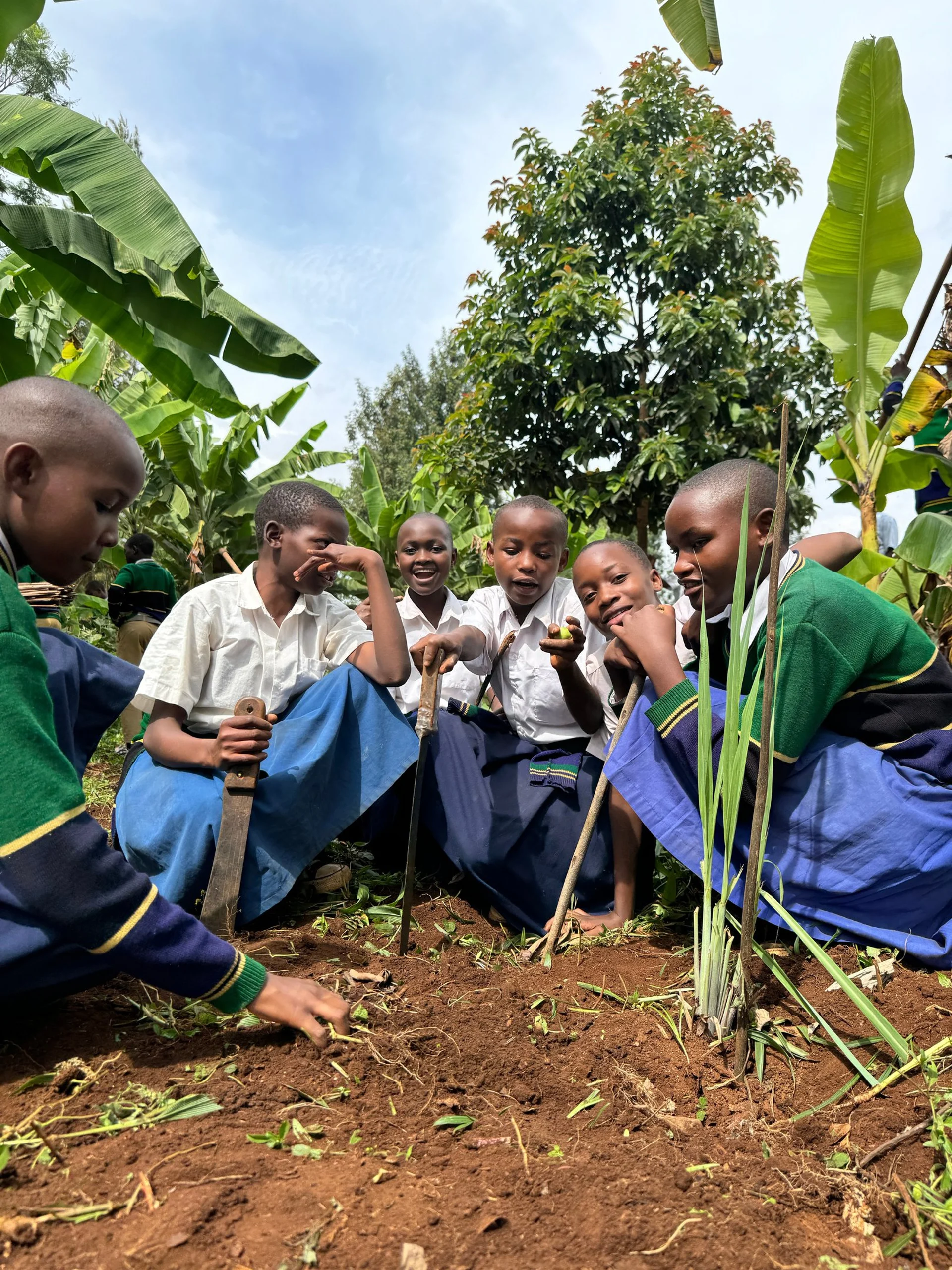
Our goal is to share practical tips that help families make the most of what they have for healthier, stronger lives. A vegetable garden at our local school in Machame is part of this ongoing effort.
Be Part of Our Future
Help us expand our health and hygiene programmes to more communities across the Kilimanjaro region.