
Education
Bringing education closer to home in rural Tanzania with schools, resources, and support for children to thrive.
“I saw children playing in the streets in the middle of a school day. Their parents had never been to school either, so to them, this was just how life was. That's the generational cycle we set out to break.”
Omega, Founder
Our Story in Kagera
The Muguruka Education Centre
When Omega first visited Muguruka, he saw that many children did not have access to education. The nearest classroom was 15 kilometres away, and many parents, mostly subsistence farmers who had never had the opportunity to attend school themselves, were not yet aware of the long-term importance of education.
Omega began by listening to families, understanding their challenges, and sharing the opportunities that education can create. Today, the community's perspective is changing. Inspired by their children's learning journey, many parents now attend evening classes themselves to learn reading and writing alongside the next generation.
The Muguruka Education Centre shows that education is not only about children attending school. It is about creating opportunities that strengthen the whole community across generations.
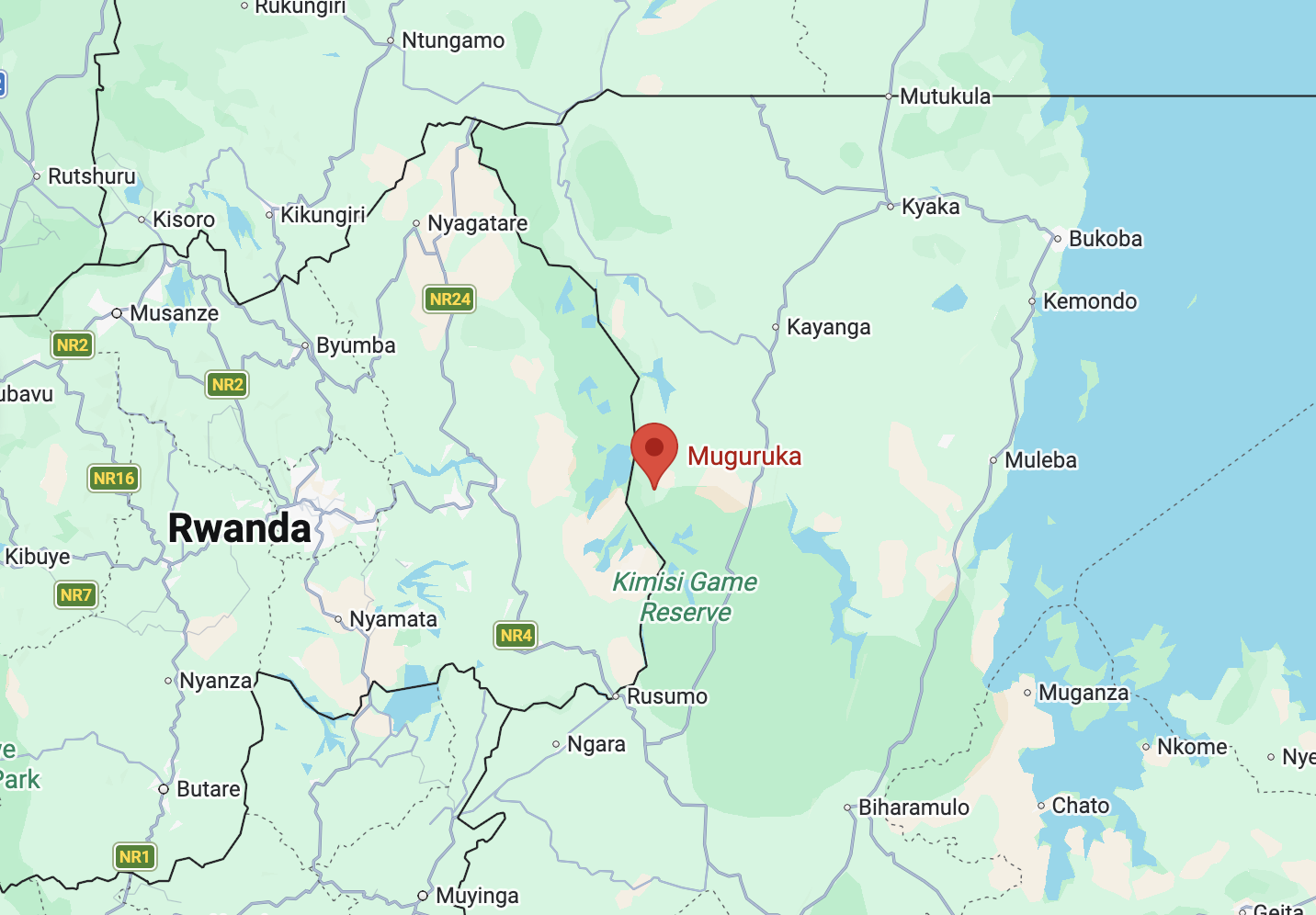
Muguruka, Kagera Region, near Lake Victoria
From a Monthly Clinic to a Village School
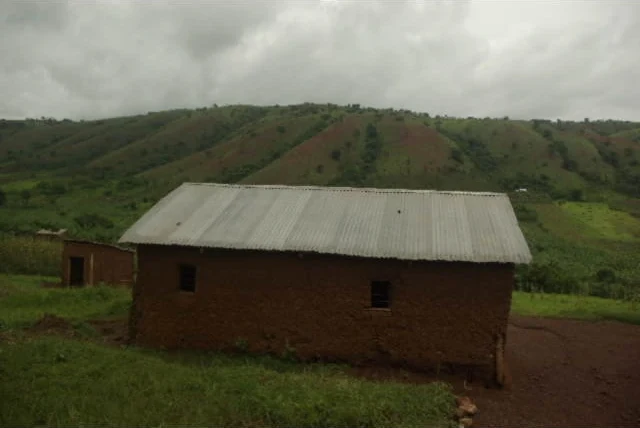
The first classroom wasn't a classroom at all. It was a small building used once a month as a pregnancy clinic. Omega and the team repurposed it, an old ceiling board became the blackboard and the students sat on the bare floor.
With the support of friends and the wider community, a village meeting was held. The villagers and local authority believed in the vision and donated a piece of land to build a proper education centre, the Muguruka Education Centre.
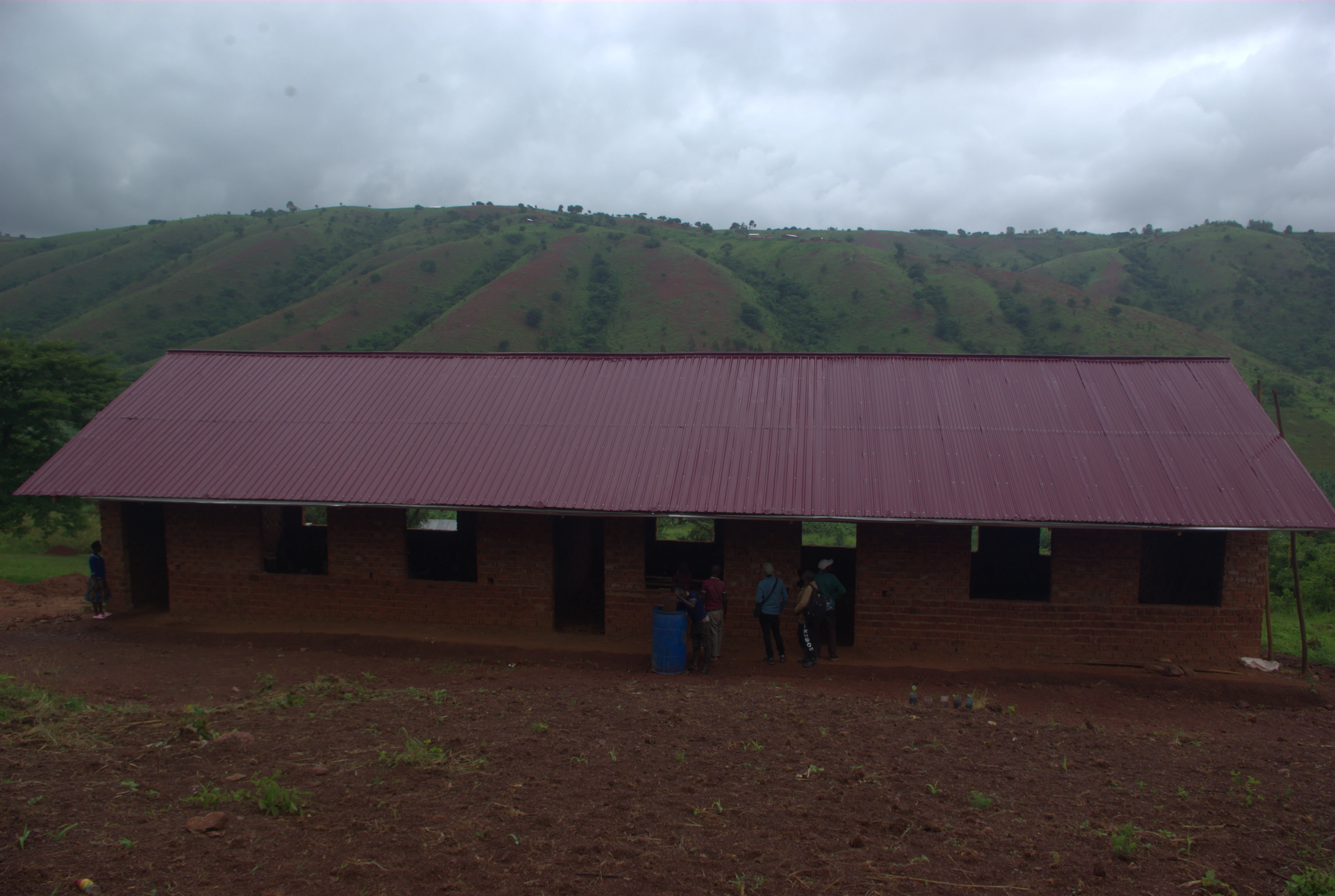
Construction began in 2023. Two classrooms and an office now stand with walls and a roof in place. We still need windows, ceiling boards, and desks to finish the build. Fundraising started with Omega himself in 2023, and grew into the registration of an official local NGO, Age Watch Tanzania.
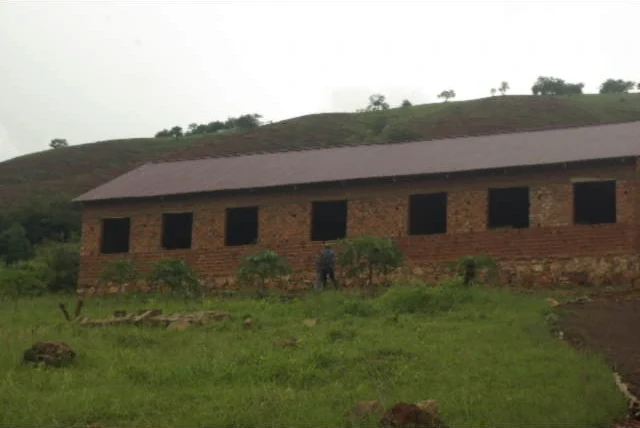
Still to be funded
- ● Windows
- ● Ceiling boards
- ● Desks & seating
- ● Concrete toilets
- ● A well, water closer to school
The School Today
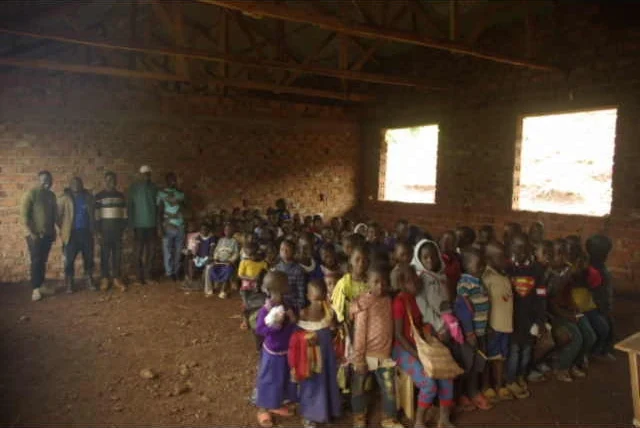
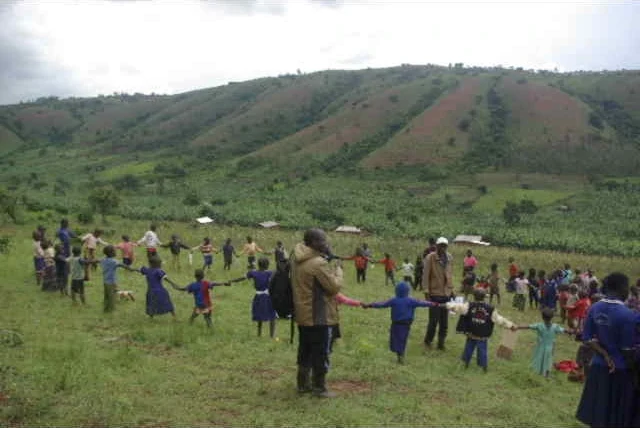
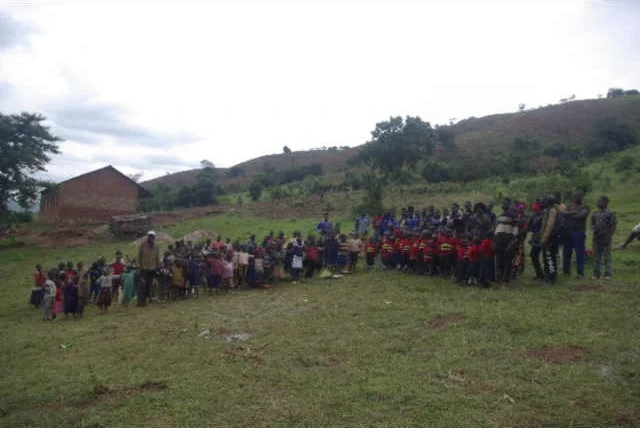
What started as a single repurposed room with a ceiling-board blackboard has grown into a school serving the wider Muguruka community. Children from Muguruka and surrounding hamlets now attend classes, while the learning space continues to bring people together beyond the school day.
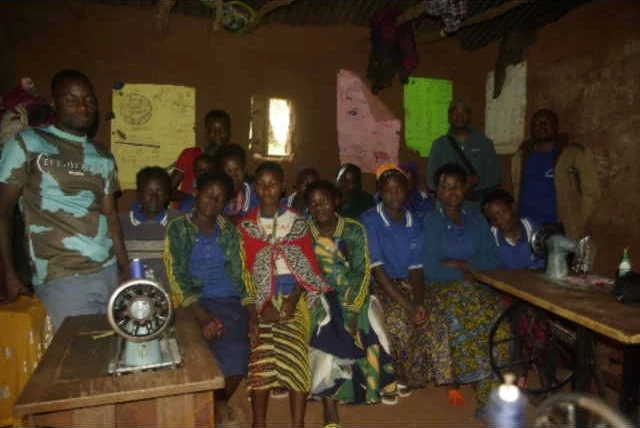
In the evenings, the same classrooms become a place for parents to learn reading and writing and for teenagers to develop practical skills through vocational training. Education at the Muguruka Education Centre is not only focused on children, it creates opportunities for the whole community across generations.
The school follows the national government curriculum while combining academic learning with practical skills that help students build confidence, explore opportunities, and prepare for their future.
160
Children enrolled (ages 4–12)
12
Adults in evening literacy classes
12
Girls in tailoring & entrepreneurship
4
Boys learning masonry & construction
3 Classes, 3 Teachers
Children are grouped into three classes by age and learn the full government curriculum.
Vocational Pathways
Older students learn tailoring, donut and soap making, or masonry: practical skills for real livelihoods.
Local Oversight: MODECO
We partner with MODECO, a local community-based organisation, who act as watchdog and oversight on the project.
Where We're Going
Our vision is for every child in Muguruka and the surrounding villages to have access to quality education, while the whole community grows alongside them. The school is the foundation, but education does not end at the classroom walls.
Most families in the community depend on farming for their livelihoods, which means that what happens on the land, around the home, and at the water source is closely connected to the future of the village. Sustainable development requires looking at the whole community and the challenges that shape everyday life.
In the coming years, we aim to strengthen three connected areas: early childhood development, environmental conservation and sustainable farming, and health and hygiene. By bringing these areas together, we hope to create opportunities that support a healthier, more resilient community for generations to come.
Early Childhood Development
Supporting children from an early age with quality foundational learning and access to education within their community.
Environment & Sustainable Farming
Working with farming families through sustainable practices that protect natural resources and strengthen future livelihoods.
Health & Hygiene
Improving community health through access to clean water, safe sanitation, and hygiene education.